
Fall maintenance is not about chasing a perfect house. It is about taking a steady look at the places where water, cooler weather, and everyday wear can turn a small issue into a more disruptive repair. In North Mississippi, that usually means drainage, exterior openings, heating and cooling, safety equipment, and the repair list that has been waiting too long.
Start with water and the route it takes around your home
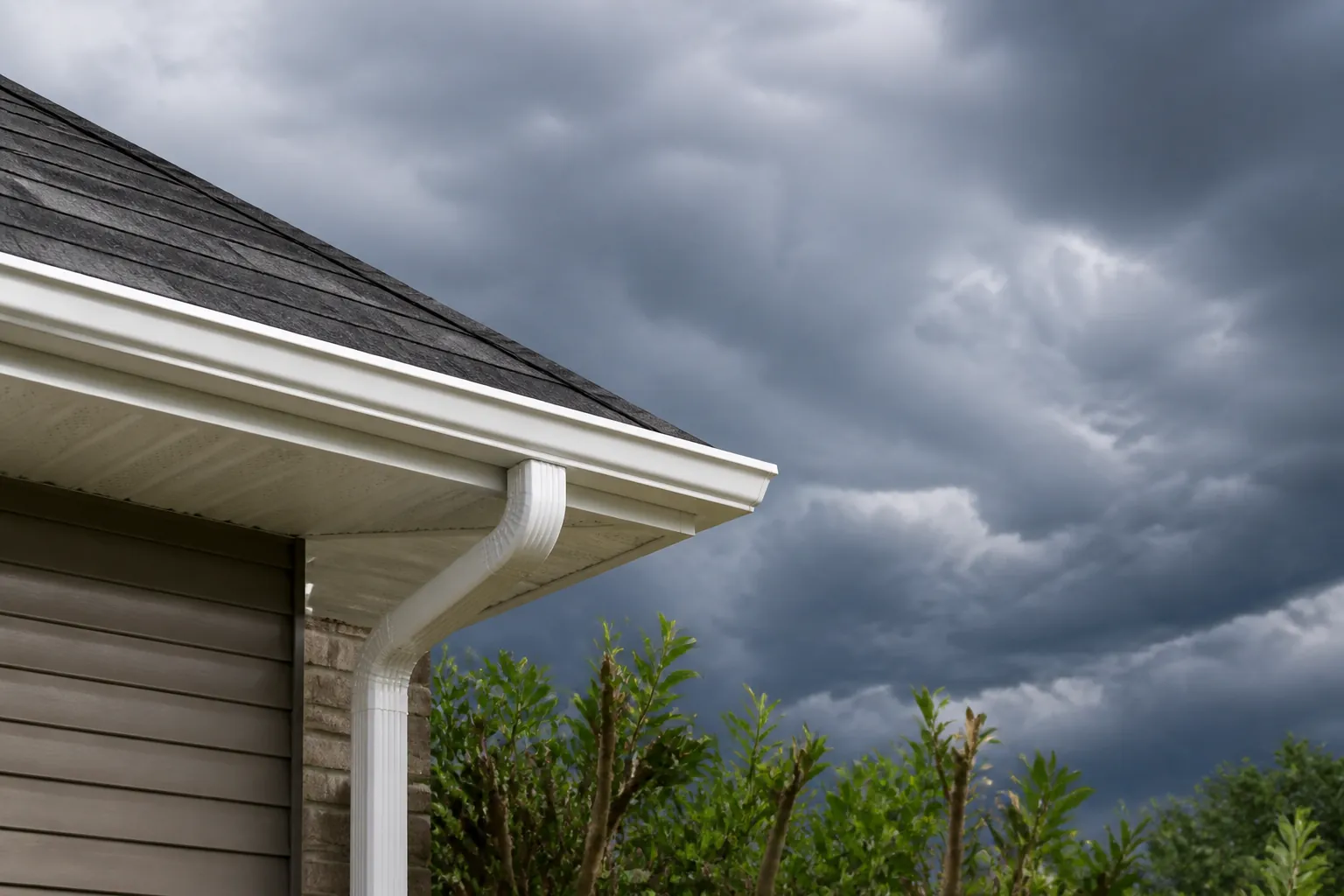
Walk the outside of the house after a rain if you can do it safely. Look at roof edges, gutters, downspouts, foundation beds, porch columns, window trim, and the ground where water leaves the downspout. You are looking for simple evidence: overflow marks, loose gutter sections, wet soil that stays against the house, peeling paint, open caulk joints, soft wood, or a path that sends water toward the foundation.
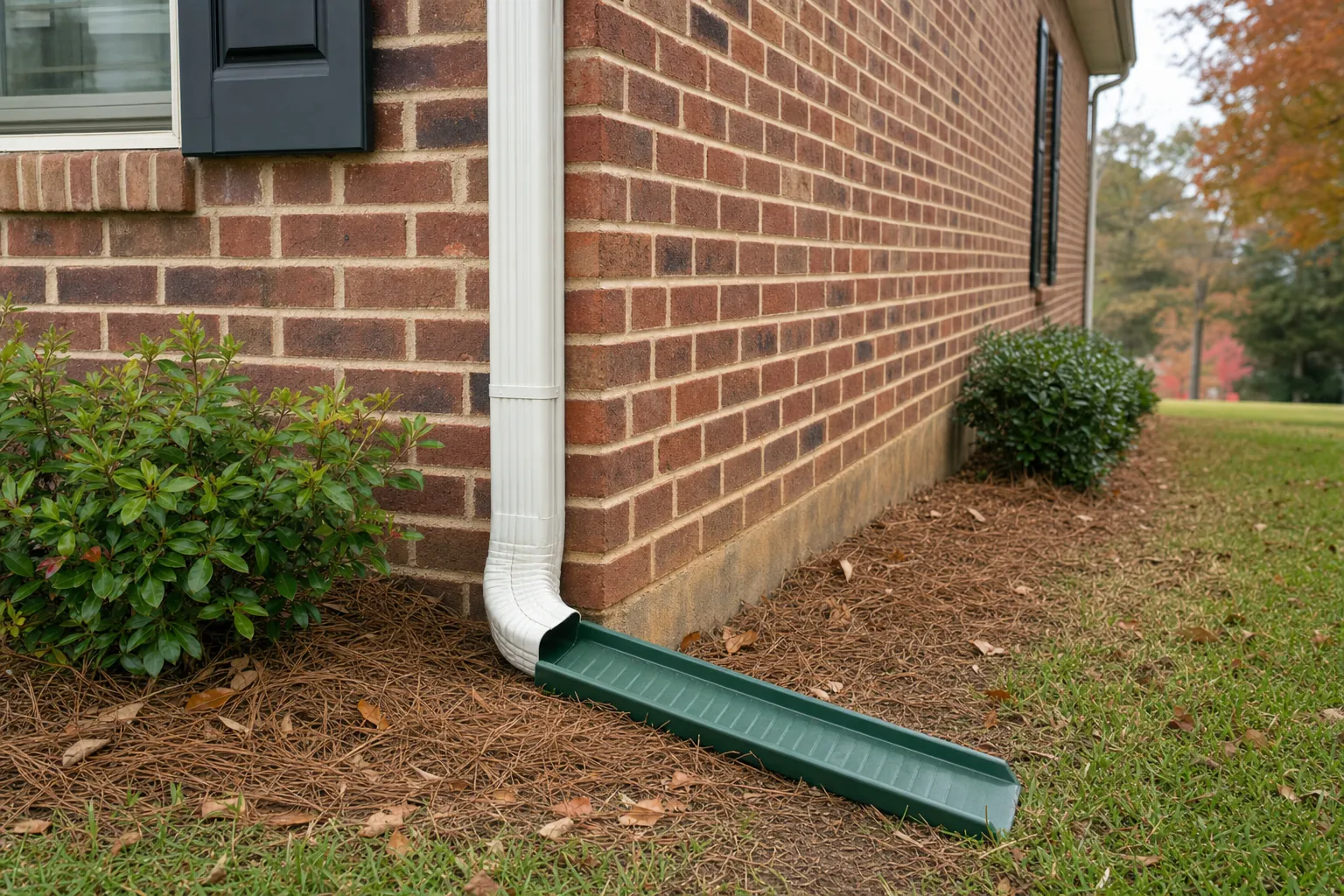
Clear leaves, twigs, and roof grit from gutters before a long wet spell. Then make sure each downspout is attached, pointed in a useful direction, and not dumping water beside the wall. A downspout can look fine from a distance while its elbow is loose or its discharge ends in the wrong place. If gutter sections are sagging, pulling away, or repeatedly overflowing, it is worth looking past the debris for a slope, fastener, or drainage problem. B&B’s gutter installation and repair work can help when cleaning alone will not solve the issue.
Water checks should include the interior too. Look under sinks, around toilets, beside washing-machine connections, and at ceilings or baseboards where a new stain may have appeared. The EPA’s WaterSense home-maintenance guidance includes simple ways to spot hidden fixture leaks before they become larger repairs. A slow drip may not feel urgent, but repeated moisture can swell cabinet bottoms, stain finishes, and complicate a straightforward repair.
Check the exterior where materials meet
Fall is a useful time to inspect the joints that keep weather outside. Move slowly around window and door trim, siding transitions, fascia, soffits, porch details, and painted wood. Look for caulk that has split away, paint that is lifting, gaps at joints, loose boards, rusted fasteners, or wood that feels soft when gently pressed. The goal is to correct the failed material or opening, not to hide it under another coat of paint.
Pay special attention to trim near gutters, roof edges, and exterior doors. Those areas take repeated water exposure and can show the first signs of trouble. A small section of failed trim may be a focused carpentry repair. If moisture has been getting behind it for a while, the nearby material needs a closer look before anything is sealed or painted. For homes with worn casing, fascia, or exterior boards, a targeted home-repair visit can make a short list easier to handle in the right order.
Do not ignore steps, handrails, decks, and porch boards just because they are outside. Any surface people use for balance or daily access should feel stable. Loose railings, spongy boards, uneven steps, and fasteners working their way out are more than a curb-appeal issue. Fall is also a good time to check exterior lighting and house numbers so the approach to the home remains clear as evenings get darker.
Help heating and cooling start the season cleanly
Before you need steady heat, find the filter size for your system and check the filter. A visibly dirty filter should be replaced according to the equipment maker’s guidance, not left until the next calendar reminder. Keep supply and return vents clear of furniture, storage boxes, and heavy drapes. Then pay attention to warning signs you may have noticed at the end of summer: weak airflow, rooms that never felt comfortable, odd cycling, water where it does not belong, or new noises.
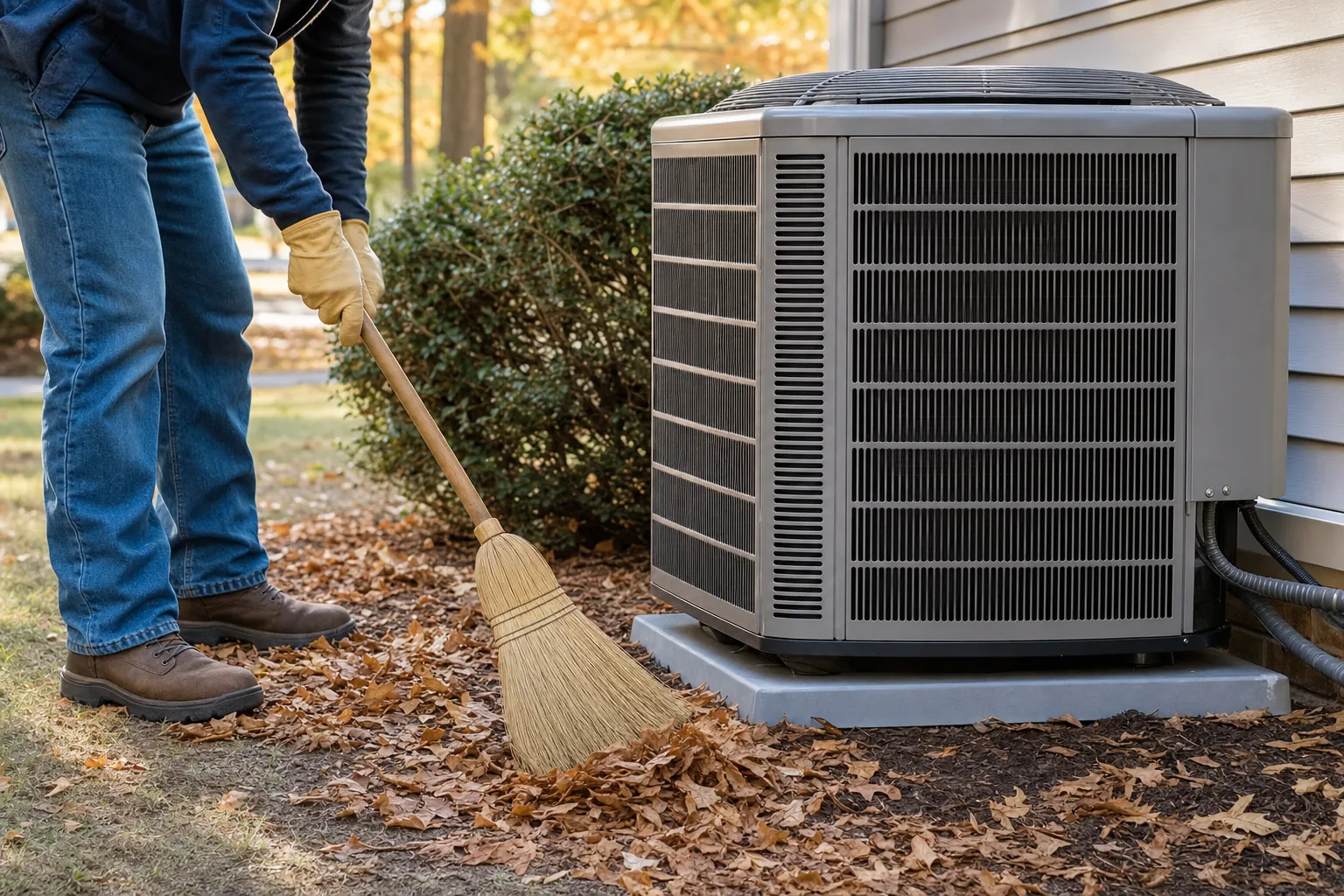
Outside, clear leaves, weeds, and stored items away from the HVAC unit without bending fins, removing panels, or spraying it with a pressure washer. The space around the unit needs room for air to move. If it has been acting up, arrange qualified HVAC service before the first cold snap instead of hoping a thermostat adjustment will settle it. A seasonal maintenance visit is also a good time to ask about any room that has been unusually warm, cool, humid, or noisy.
While you are thinking about comfort, check for obvious drafts around doors and windows. A damaged sweep, loose weatherstripping, or opening around exterior trim can make a room feel colder and put extra demand on the heating system. Close doors slowly and look for a gap at the latch side, threshold, or corners. Small repairs are often straightforward once the source is clear, but recurring staining, soft drywall, or a door that suddenly will not close can point to something beyond a simple seal.
Look inside the places that can hide a small problem
Not every fall check happens at the front door. Open the cabinet below each sink, move a few stored items away from exterior walls, and look at the ceiling corners in bathrooms, laundry rooms, and rooms below the attic. You are not trying to inspect every hidden system. You are looking for a change: a musty smell, a new stain, soft drywall, paint that has begun to bubble, corrosion around a connection, or a floor that feels different underfoot.
In a crawlspace, attic, garage, or utility room, use the same rule: observe what is safe to observe, then make a note. Look for water where it does not belong, daylight around an opening, insulation that looks wet or displaced, and stored items pressed against equipment or walls. Do not step on exposed attic framing, disturb suspect materials, or enter a space that feels unsafe. A photograph from the doorway and a clear description are often enough to decide whether the condition needs a closer look.
Watch for patterns rather than isolated quirks. A bathroom fan that always leaves the room damp, a window that gets wet on the inside only during cold weather, or a stain that returns after heavy rain gives you more useful information than a single snapshot. Repeated moisture deserves attention because the visible mark may be only the last place water reaches. That is especially true around rooflines, plumbing, appliance connections, and exterior trim.
Storage is part of this check too. Keep cardboard boxes, paint cans, and seasonal items off damp floors where possible. Leave enough space around the water heater, HVAC equipment, and electrical panel to see what is happening and to reach the equipment safely. A tidy utility area makes a small change easier to notice, and it prevents an ordinary service visit from starting with a room that cannot be accessed.
Bring the safety checks back to the top of the list
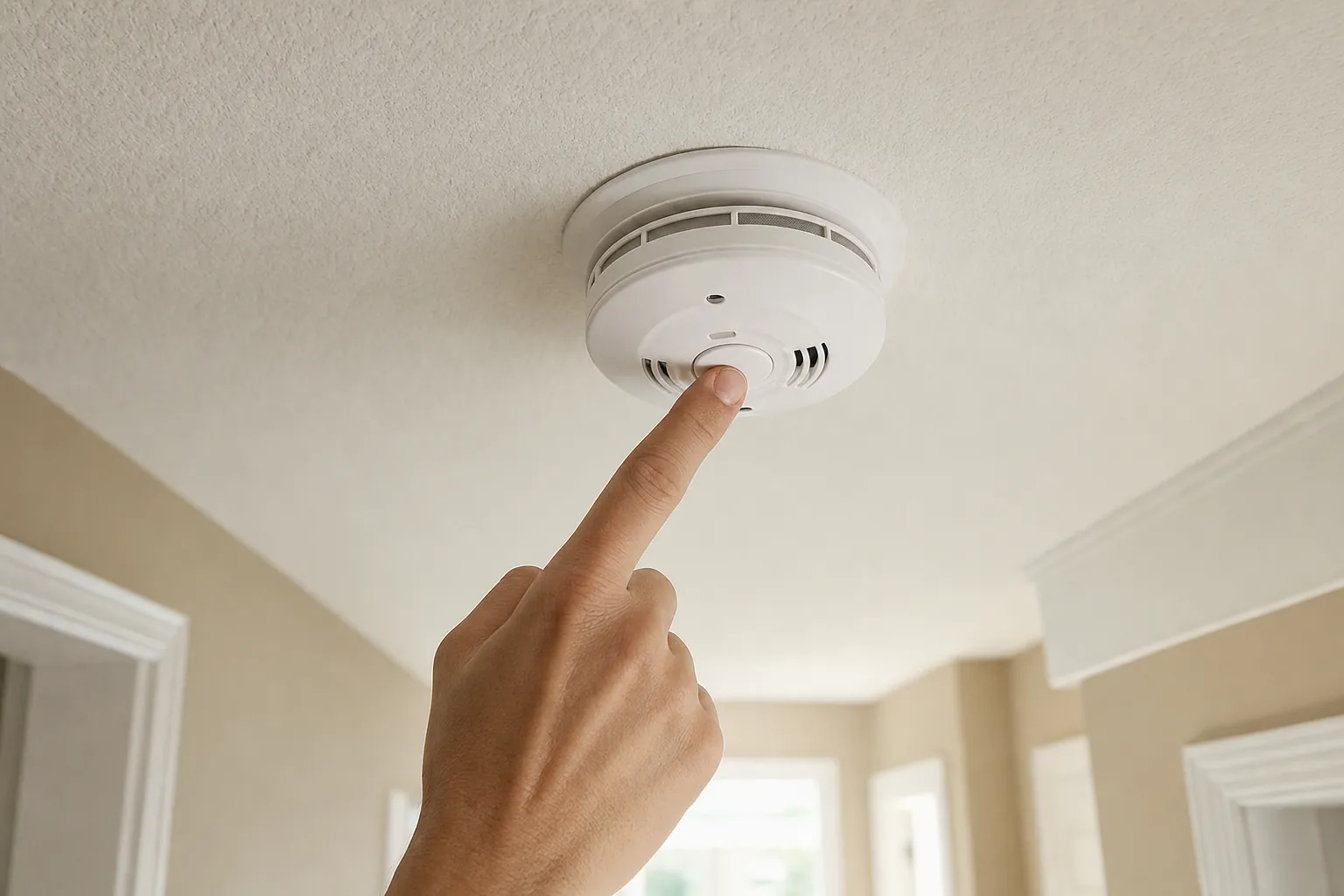
Test smoke alarms and carbon monoxide alarms, and replace batteries or units as the manufacturer directs. The U.S. Consumer Product Safety Commission’s carbon monoxide safety guidance is a useful reminder to keep alarms working and never treat fuel-burning equipment or an attached garage as a reason to skip the check. Make sure everyone in the home knows what the alarm means and where to go if it sounds.
Look at fire extinguishers, exterior steps, handrails, loose outlet covers, and any power strip that has become a permanent solution. Keep utility rooms and electrical panels accessible. Do not remove an electrical panel cover or try to diagnose a repeated breaker trip by trial and error. Warm outlets, sparking, burning smells, and breakers that keep tripping deserve a qualified electrician.
Fall also brings more closed windows, indoor cooking, candles, and time at home. That makes simple safety habits more valuable, not less. Check that bedroom exits are not blocked by furniture or storage, make sure exterior lights work, and keep a clear path through frequently used rooms. These are not complicated projects, but they make a home easier to use when days get shorter and schedules get busier.
Decide what needs attention now
A long repair list is easier to manage when each item has a category. Start with water, safety, and daily function. A loose handrail, active drip, exterior gap, or door that will not latch belongs ahead of a scuffed wall or a paint color you are tired of. Next, group work that affects the same area. A drywall patch, trim repair, and interior paint touch-up can make sense together when they are part of one finished result.
Take a few clear photos and write down when you first noticed the issue. A note such as “the downspout overflows only in hard rain” or “the hall door rubs when humidity is high” gives a repair conversation a much better starting point than a vague description. It also helps you see whether the problem is stable, seasonal, or getting worse.
When you request help, include the location of the issue, what changed, whether water or safety is involved, and whether the problem is getting worse. Mention any earlier repair that did not hold. This keeps the first conversation focused on the real condition instead of a guess at the solution. It can also help decide whether several small jobs should be handled together, which is often easier than arranging separate visits for related trim, drywall, paint, and hardware repairs.
There is no prize for doing every task yourself. A homeowner’s useful role is to notice changes, keep the list organized, and make sure the next step fits the risk. That may mean tightening a cabinet pull, scheduling a gutter repair, calling a specialist, or setting a reminder to watch an issue through the next storm. The right choice is the one that protects the home without creating a bigger problem in the process.
Stay realistic about what belongs on a homeowner checklist. Ground-level inspection, cleaning, and simple observation are useful. Roof work, high ladders, main electrical service, gas lines, active leaks, structural movement, and anything that keeps returning after a basic repair are not places to experiment. For a practical repair list in Tupelo or across North Mississippi, use B&B’s simple request process or request a free quote with photos and a short description of what you found.
A simple fall home checklist
- Drainage: Clear gutters, confirm downspouts are attached, and look for water that lands or collects too close to the house.
- Exterior: Check painted wood, trim, caulk joints, steps, rails, porch boards, exterior lights, and door hardware.
- Water: Look under sinks, around toilets, and at ceilings or baseboards for new stains, dampness, or changes.
- Heating and cooling: Check the filter, clear the area around outdoor equipment, and note any performance concerns before you need steady heat.
- Safety: Test alarms, check accessible exits and exterior lighting, and move loose rails or electrical concerns to the top of the list.
- Repairs: Take photos, group related work, and arrange help before a small issue becomes an inconvenient one.
The best checklist is not the longest one. It is the one that helps you notice a change early, make a sound decision about what comes first, and keep the home ready for the season ahead.
Frequently Asked Questions
Fall Home Maintenance FAQ
When should I start fall home maintenance?
Start while the weather is still comfortable enough to inspect exterior details, clear drainage paths, and schedule repairs before colder or wetter conditions arrive. A few early checks are easier to manage than a long list after a problem has already spread.
What should homeowners fix before fall?
Prioritize drainage, loose exterior material, open caulk joints, recurring leaks, unsafe steps or rails, and heating or cooling concerns that have already shown signs of trouble. Water, safety, and daily function should come before cosmetic touch-ups.
Can I handle all fall maintenance myself?
No. Ground-level checks and basic cleanup can be reasonable, but roofs, high gutters, main electrical work, gas systems, active leaks, and structural concerns need the right professional. A good checklist should help you notice the problem, not push you into unsafe work.
How often should gutters be checked in fall?
Check them after leaves begin to drop and again after a heavy storm or a period of steady rain. The goal is to make sure water can move through the gutter, down the downspout, and away from the foundation without overflowing behind the trim.