
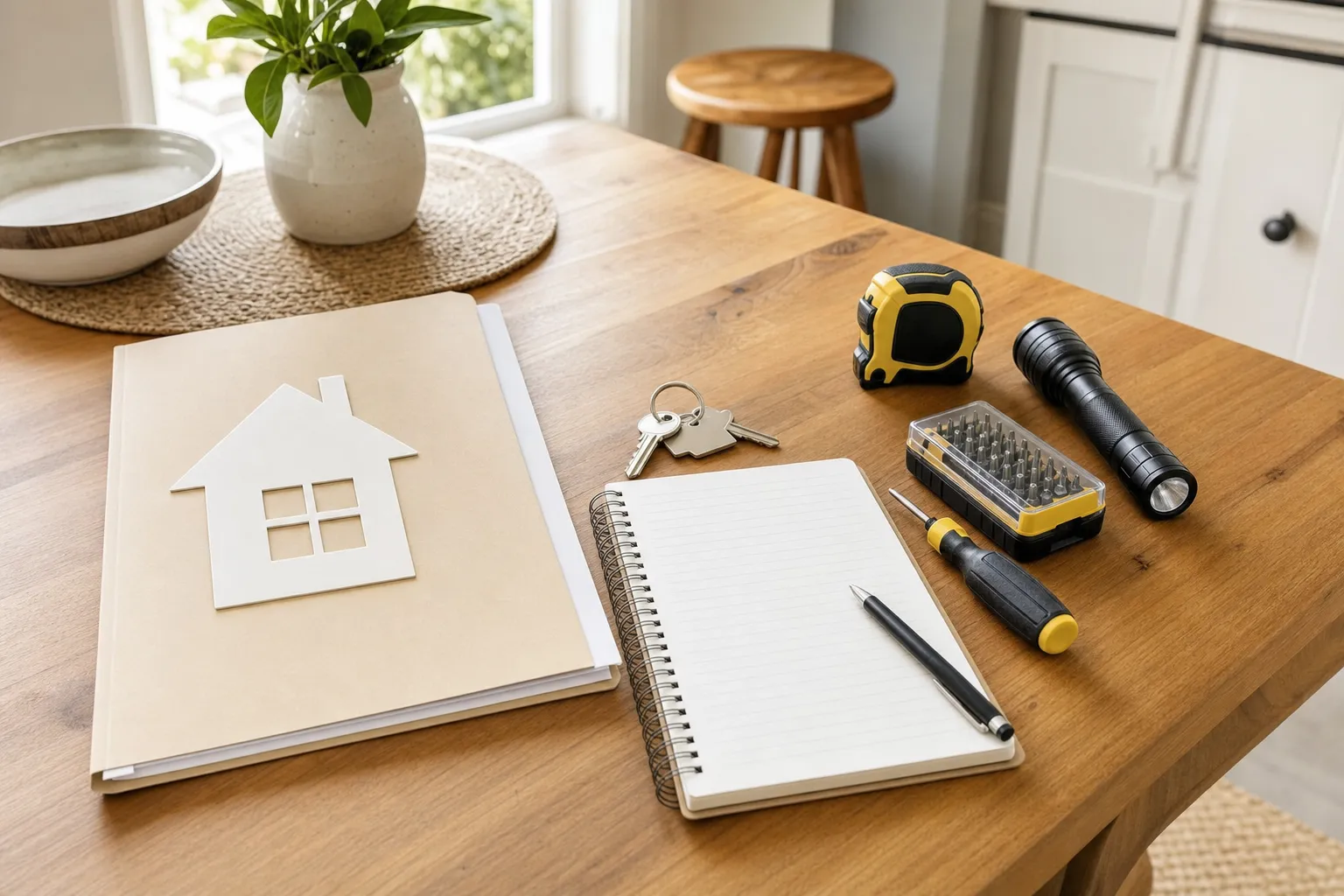
A new house comes with a long list of things to learn. The goal is not to become an expert in every system during the first month. It is to know what you own, notice when something changes, and deal with small issues before they become disruptive repairs. A simple routine makes that manageable.
Start with a home file and a first walk-through
Make one place for the paperwork that comes with the house. Keep the inspection report, closing documents, appliance manuals, warranty details, paint colors, filter sizes, and receipts for work done after you move in. Take a few clear photos of the water heater label, electrical panel, HVAC equipment, exterior walls, and any item the inspection report called out. A dated photo gives you a useful point of comparison when you later notice a stain, crack, or loose piece of trim.
Then walk through every room slowly. Open and close windows and doors. Look under sinks. Run water at each fixture. Check ceilings, baseboards, and cabinet bottoms for stains or soft spots. Outside, look at the roofline, gutters, siding, steps, handrails, and where water lands after it leaves a downspout. You are not trying to find a perfect house. You are creating a baseline so the next change is easier to spot.
Learn the shutoffs before you need them
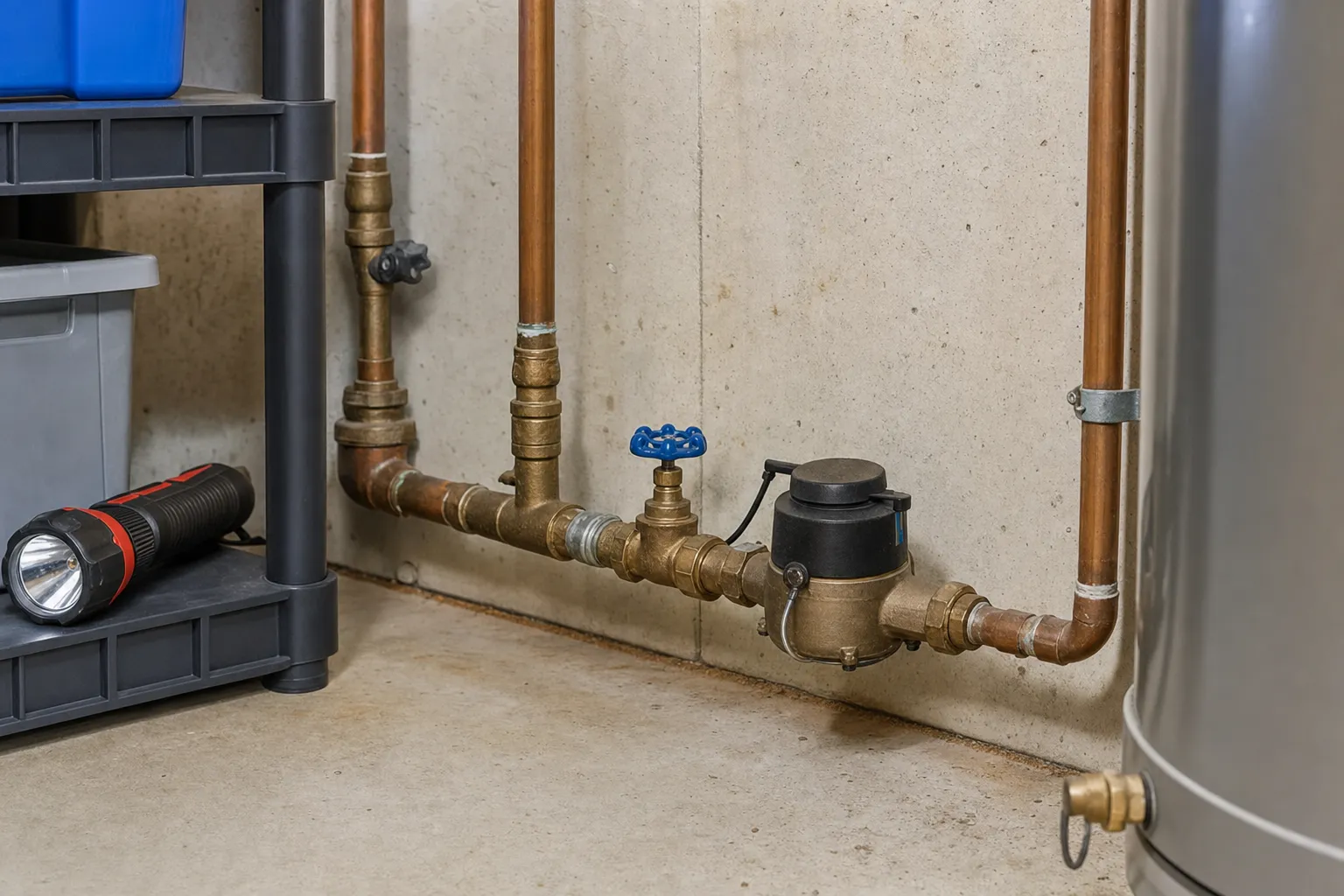
Find the main water shutoff and make sure every adult in the home knows where it is. It may be near the water meter, where the service line enters the home, or by the water heater. If a supply line bursts or a fixture will not stop running, knowing the shutoff can limit the damage while you arrange a repair. If your home has gas service, identify the meter and shutoff but do not turn it off or on unless you understand the situation and the utility’s guidance.
Also locate the electrical panel. Its labels may be incomplete or inaccurate, especially in an older home. Do not remove the panel cover or work inside it. Instead, keep the area clear, make sure the door opens easily, and add accurate labels over time when you can safely identify which breaker serves a room or appliance.
Give water a regular check
Water is one of the easiest things to ignore until it reaches a floor, wall, or ceiling. Once a month, look under sinks, around toilets, at washing-machine hoses, behind the refrigerator if it has a water line, and around the water heater. Watch for dampness, corrosion, mineral residue, a musty smell, or a water bill that suddenly looks out of character.
The EPA’s home-maintenance guidance suggests a simple meter test: avoid using water for two hours, compare the meter reading before and after, and investigate if it changes. The same guidance notes that a toilet can be checked by putting a few drops of food coloring in the tank and waiting about 10 minutes; color in the bowl without flushing points to a leak. Small leaks are not always minor once they are hidden behind a wall or under a floor.
Do not assume every stain needs an emergency response, but do take a new stain seriously. Dry the area, note when it appeared, and look for the source. A fixture that drips, a toilet that runs, or a slow cabinet leak is usually easier to address before it damages finishes or framing.
Put seasonal exterior checks on the calendar
Exterior maintenance is mostly about moving water away from the house and keeping the outside envelope intact. A quick seasonal look is more useful than a single overwhelming project day. After heavy weather, walk the perimeter and check for loose gutter sections, clogged downspouts, standing water near the foundation, peeling caulk, damaged screens, soft trim, and steps or rails that have started to move.
Keep gutters and downspouts clear enough to carry water away from the foundation. Look for downspout extensions that end too close to the house, and make sure soil, mulch, or landscaping is not directing water back toward the structure. Examine window and door caulk for gaps or separation. These are small details, but they are where moisture, pests, and drafts often get an easy path inside.
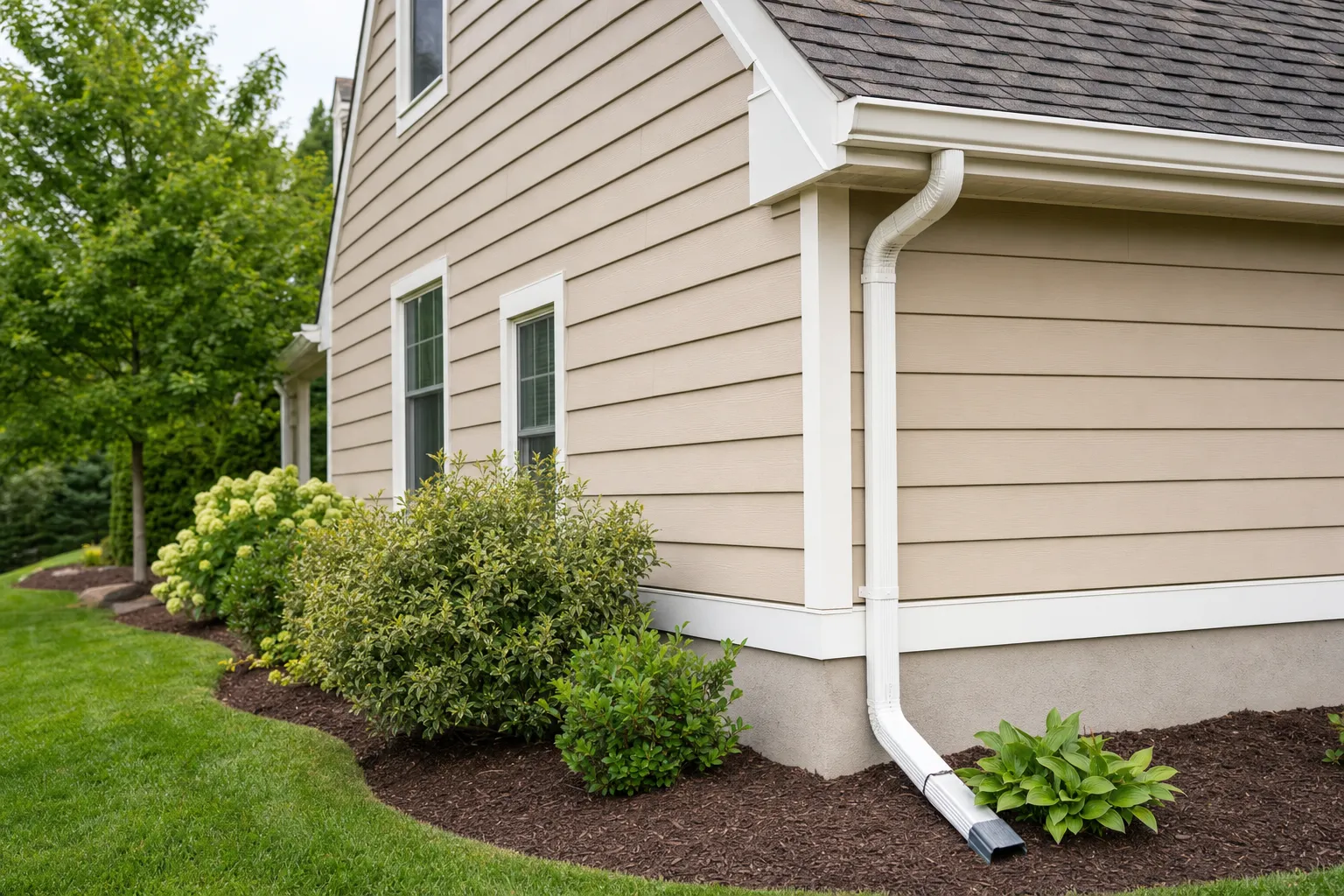
Stay on the ground when you can. Roofs, high gutters, and tall exterior work bring real fall risk. If you cannot inspect an area safely, make a note and arrange the right help rather than balancing on a ladder for a quick look.
Keep heating and cooling from becoming a surprise
Find the filter size for your heating and cooling system and write it in your home file. Check the filter on the schedule recommended by the equipment maker and replace it when it is dirty. A filter that is visibly loaded with dust should not wait for a calendar reminder. Keep supply and return vents clear of furniture, boxes, and heavy drapes so air can move through the home.
Outside, keep the area around the outdoor unit clear of weeds, leaves, and stored items. Do not pressure wash coils or take equipment apart unless the manufacturer’s instructions call for a task you are comfortable doing. Unusual cycling, weak airflow, water where it should not be, burning smells, or a system that cannot keep up with normal weather are good reasons to get an HVAC professional involved.
Build a calendar that fits the house
A calendar is useful because it takes maintenance out of your memory and turns it into a small repeating habit. Start with only a few reminders: a monthly five-minute walk-through, a seasonal exterior check, a filter reminder, and a yearly review of records and safety equipment. Add tasks only after you understand the home. A newer house with vinyl siding and sealed windows has different needs from an older property with painted wood, mature trees, a crawlspace, or an aging water heater.
Use the first year to learn the rhythm. Pay attention after strong rain, during the hottest and coldest stretches, and when leaves begin to fall. Those moments reveal how drainage, doors, windows, and equipment behave under real conditions. A problem that only shows up after a storm or during peak heat is easier to describe when you have a date, photo, and a short note about what was happening.
Keep the list realistic. Set aside a little time for routine checks, but do not let a maintenance calendar turn into a reason to keep postponing a repair that is already visible. If a task keeps moving to next month because it needs equipment, height access, or a second set of hands, it is probably time to arrange help.
Prioritize by risk, not by annoyance
It is normal to notice several things at once after moving in: a loose handle, a door that sticks, a patch of peeling paint, an outlet that needs a cover, or a faucet that drips. The easiest way to decide what comes first is to sort the list by safety, water, and whether the problem is getting worse. Active leaks, electrical concerns, loose steps or rails, and anything that could cause a fall belong near the top. Cosmetic work can usually wait unless it is allowing moisture to reach exposed material.
For each item, write a sentence describing the problem and take a photo. “The hall door rubs at the top only when the weather is humid” is more helpful than “door is bad.” “Water appears under the kitchen sink after the dishwasher runs” gives a repair conversation a useful starting point. Clear notes also help you see whether an issue is stable, seasonal, or spreading.
Make safety checks routine, not reactive
Test smoke and carbon monoxide alarms regularly and replace batteries or units according to the manufacturer’s instructions. The U.S. Consumer Product Safety Commission recommends working smoke alarms on every level of a home, inside bedrooms, and outside sleeping areas, with monthly testing and replacement when alarms are more than 10 years old. Keep a fire extinguisher where it is easy to reach in the kitchen, and make sure everyone in the home knows two ways out of sleeping areas where possible.
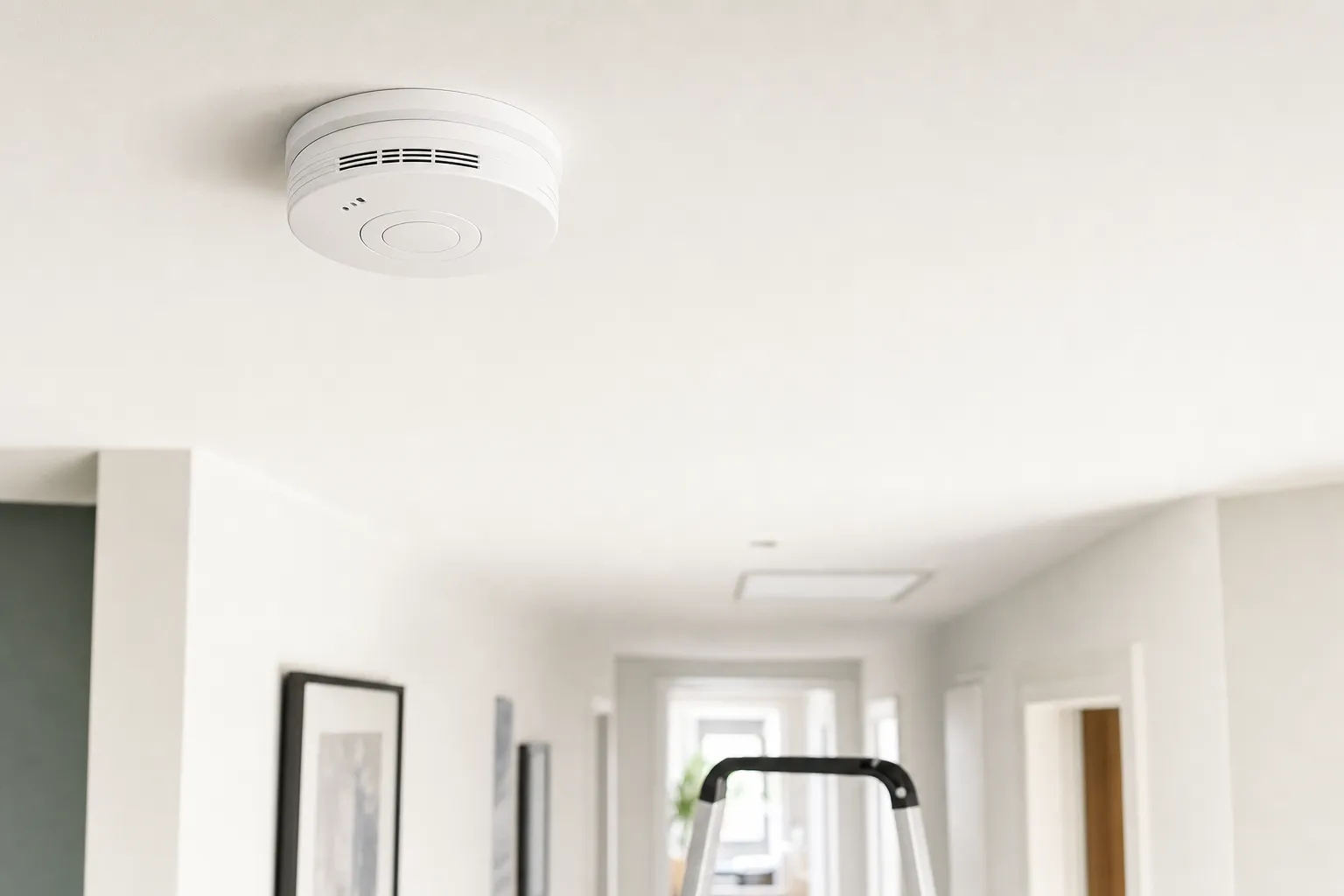
For electrical safety, use working outlet covers where children need them, do not overload power strips, and pay attention to outlets or switches that are warm, loose, sparking, or repeatedly trip a breaker. Those are not cosmetic issues. Leave panel and wiring repairs to a qualified electrician.
Know the difference between a maintenance task and a bigger problem
A good rule is to stop when the repair involves a safety risk, a hidden cause, or a system you cannot test afterward. Gas lines, main electrical work, structural movement, active roof leaks, major water damage, and anything that requires working at height are poor places to learn by trial and error. Repeated caulk failure, a crack that keeps widening, a door that suddenly will not close, or a stain that returns after drying can also point to a cause beyond the surface.
For the ordinary repair list, write down what you saw, when it started, and what changed. Photos help. That turns a vague “something is wrong” into a clear job description and makes it easier for a professional to advise on the next step.
When B&B can help
Not every task needs a full construction project. B&B Handyman & Construction handles the everyday repair list and can also talk through bigger work when the scope grows. Use the simple request process to share the job details, or send a quote request with photos and a description of what needs attention. Starting with a clear picture of the issue helps move the conversation from guesswork to a practical plan.
A manageable first-year checklist
Keep the routine small enough that you will actually use it. This is a practical starting point:
- Monthly: test alarms, look under sinks, check for new stains or drips, and walk the exterior after major weather.
- Seasonally: check gutters and downspouts, inspect caulk and screens, clear HVAC outdoor equipment, and look at drainage near the foundation.
- As needed: replace filters, tighten loose hardware, touch up small paint damage, and address a change before it has time to spread.
- Any time something feels unsafe: stop, document it, and get the right professional involved.
The best home-maintenance plan is not the most complicated one. It is the one that gives you a way to notice changes early, keep good records, and get help before a small repair turns into a major interruption.
Common questions
New homeowner maintenance FAQ
What home maintenance should new homeowners do first?
Start by learning where the main water shutoff, electrical panel, gas shutoff if present, and HVAC filter are located. Then test safety alarms, save inspection and appliance records, and walk the house looking for active leaks, loose caulk, or drainage issues.
How often should a new homeowner inspect the house?
A quick monthly walk-through is enough to catch many small changes. Plan a more complete seasonal check for gutters, exterior caulk, filters, drainage, and exposed wood. The right schedule still depends on the home’s age, systems, weather, and prior repair history.
What home repairs should not be DIY?
Stop and get qualified help when work involves the main electrical service, gas lines, structural movement, roofing at height, major water damage, or an issue that keeps returning after a simple repair. Those problems can get more expensive when the root cause is missed.
When should I call a handyman?
A handyman is a good fit for practical repair lists and maintenance tasks that need more than a quick patch but do not require a specialized trade. Describe the job clearly, share photos when useful, and ask about the right next step for the scope.