
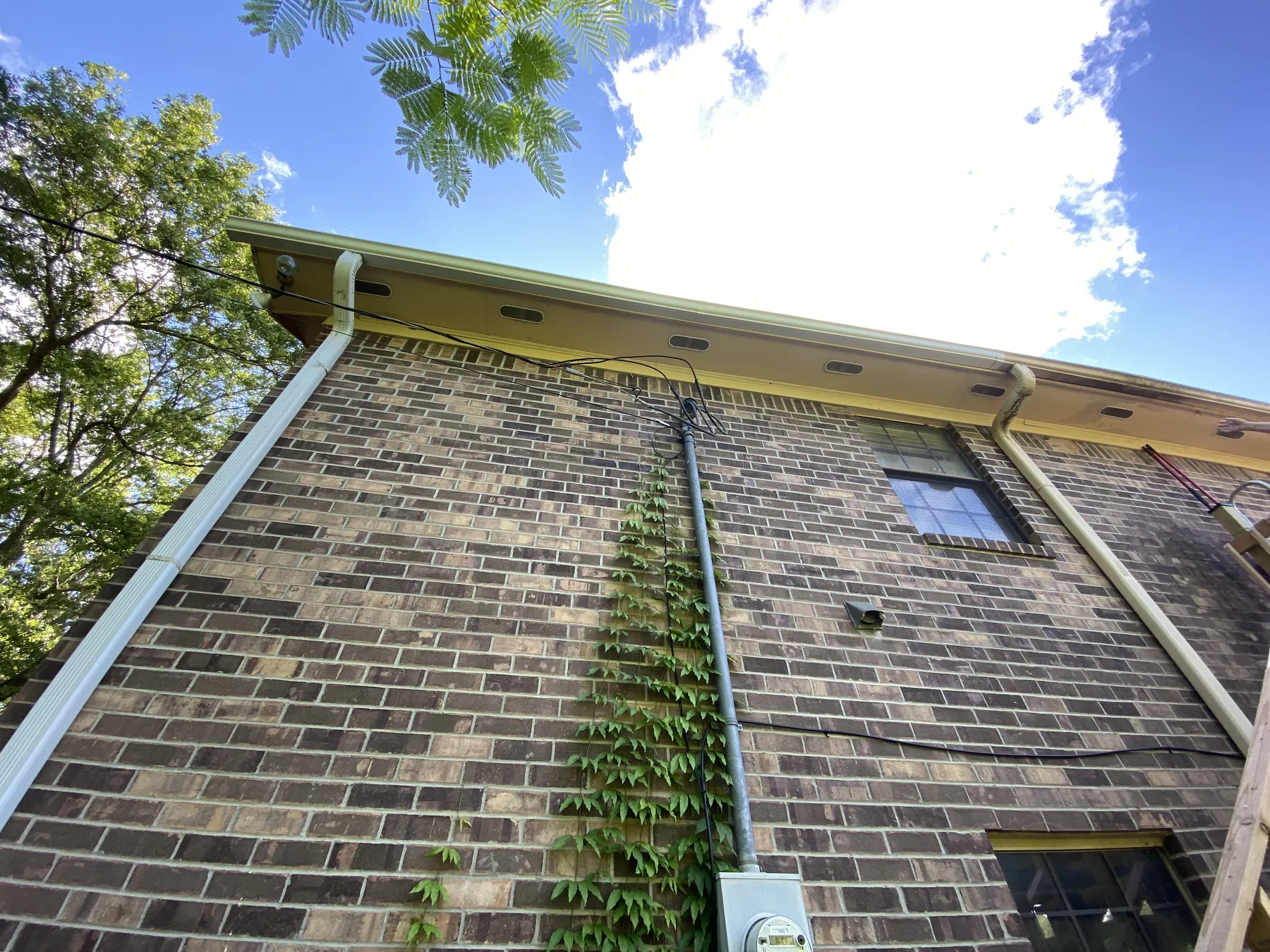
Winter home maintenance in North Mississippi is less about turning your house into a bunker and more about getting ahead of the ordinary things that become expensive when a hard rain, freezing night, or strong wind arrives. A clear gutter, a protected outdoor faucet, a working alarm, and a small exterior gap repaired early can save a lot of scrambling later.
Start with what you can safely see and reach from the ground. This checklist is meant to help you notice patterns, set priorities, and know when the next step is a professional repair. It is not a reason to climb onto a roof, work around power lines, or take apart a heating system. The best winter preparation is calm, practical, and done before the weather forces a decision.
Start with water, because it finds the weak spot
Rain does not need a dramatic storm to cause trouble. A clogged gutter can send water over the front edge. A downspout that has shifted can release a concentrated stream beside the wall. A small gap at a roof edge, window, door, or exterior trim joint can keep getting wet long after the rain stops. These are the kinds of details that deserve attention before colder, wetter days make them harder to inspect.
Mississippi State University Extension recommends clearing gutters so rainwater can flow freely, and it specifically calls out disconnected hoses, exterior faucet protection, weatherstripping, and exposed pipes as winter-preparation basics. Its Mississippi winterizing guidance is a useful local reminder that modest preparation can help avoid both wasted heat and avoidable repairs.
Walk the perimeter after a normal rain when conditions are safe. Notice where water lands, whether it travels away from the home, and whether the same area keeps looking dark, washed out, or splashed with mud. Check downspouts for loose straps, crushed lower sections, open joints, or an outlet hidden beneath leaves and mulch. These observations are more useful than guessing from indoors.
1. Get the gutter and downspout path ready
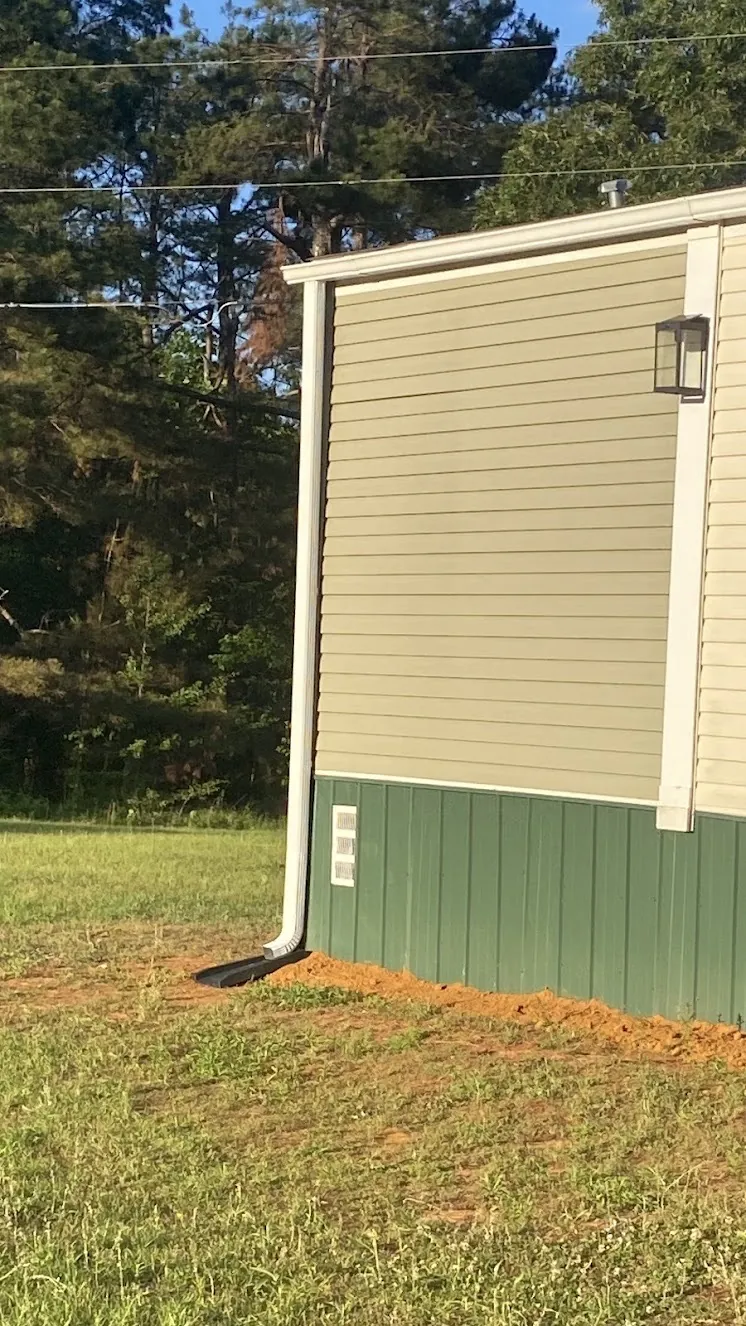
A gutter system works as one route: rain lands at the roof edge, enters the gutter, reaches the downspout, and leaves the house area. A failure at any point can look like a drainage problem at the bottom. Before winter rain arrives, look for leaves or roof grit around accessible outlets, a gutter that appears low or pulled away, water marks on fascia or siding, and downspouts that do not appear firmly connected.
Do not assume every clogged-looking gutter needs a ladder. A ground-level check can reveal overflow, a bent downspout, a missing extension, or soil that is being washed out. B&B’s guide to when to clean gutters in North Mississippi explains the seasonal rhythm, while the gutter-overflow guide helps separate debris from a slope, outlet, or connection issue.
Put a recurring overflow, loose gutter, soft fascia, or water landing at the foundation on the repair list. Those are not chores to keep repeating every time it rains. A small correction to the gutter, downspout, or outlet can be more useful than treating the same symptom over and over.
Give yourself a simple after-storm routine as well. Once the weather is calm, walk the property and look for a new line of water on the siding, fresh mulch movement, a gutter that has pulled away, or a downspout that no longer reaches its outlet. A photo taken from the same ground-level spot each time can show whether a concern is stable or changing. That kind of record makes it easier to decide whether a repair should happen now or simply be watched through the season.
2. Protect outdoor faucets and exposed pipes
When a freezing forecast arrives, start with the outside water connection. Disconnect garden hoses, drain them, and store them where they will not hold water. Then make sure the outdoor faucet is protected according to the home’s plumbing setup. A cover can help reduce exposure, but it is not a repair for a faucet or pipe that is already dripping, loose, or visibly damaged.
Also pay attention to pipes in unheated or lightly heated places, such as crawlspaces, garages, attics, or exterior-wall cabinets. The U.S. Department of Energy includes insulating pipes and sealing obvious air leaks among its straightforward weatherization measures, alongside weatherstripping doors and windows and replacing HVAC filters when needed. Its home weatherization overview is helpful for understanding why small air and insulation gaps can affect both comfort and exposed plumbing.
The goal is not to guess at every pipe behind a wall. Look for the practical warning signs: a drip you have been postponing, a sagging line in a crawlspace, an exterior penetration with a visible gap, or an area that gets notably colder than the rest of the home. Start with the issue you can see, then get the right help when the cause is beyond a simple, safe check.
If you leave home during a cold spell, do not make the house guess for itself. Keep the heat at a sensible setting, know where the main water shutoff is, and leave a clear path to it. Those are small steps, but they can make a leak easier to control if a line does fail. Never use an open flame or improvised heating method around plumbing or exterior materials. When there is an active leak or you cannot safely identify the source, the priority is to protect people and prevent more water damage, not to force a quick do-it-yourself repair.
3. Check exterior trim, doors, and visible gaps
Winter wind and rain make minor exterior openings easier to feel and see. Walk around doors, windows, fascia, soffit, siding joints, porch posts, and other places where materials meet. Look for lifting caulk, loose trim, soft wood, peeling paint, daylight at a door edge, or a section that moves when gently touched. Pay special attention to spots below rooflines and near downspout outlets, where repeated water may be the real cause.
A drafty door may need an adjustment, weatherstripping, or a sweep. A trim board that is soft or separating needs a closer look at the water source before new paint covers it. B&B’s trim repair guide can help you tell the difference between a cosmetic touch-up and an exterior detail that is no longer protecting the home.
Keep the response proportional. Small, stable gaps may be a simple maintenance item. Fresh staining, active water, crumbling material, or a door that suddenly no longer closes properly is a sign to move the concern higher on the list. Winter preparation works best when it prevents moisture from getting farther into the home.

4. Make the home more comfortable without sealing in a problem
When a room feels colder than usual, it is tempting to buy a quick fix before locating the draft. Begin with the common places: worn weatherstripping around a door, a damaged sweep at the threshold, loose caulk at a window, or an obvious opening where a pipe or vent passes through an exterior wall. The Department of Energy notes that caulking and weatherstripping are simple ways to reduce air leakage, but a persistent moisture mark or a soft wall should be investigated before it is simply sealed or covered.
Replace or clean a dirty heating-system filter as the equipment manufacturer recommends, and keep registers and returns clear of furniture, boxes, and rugs. If the system is not heating as it should, is making an unusual noise, or has a fuel-burning component that concerns you, use a qualified heating professional. This is a checklist for observing and preparing, not for taking apart equipment that requires specialized service.
A useful rule is to separate comfort work from water work. Weatherstripping a door can make a room feel better. A stain around that door, a swollen threshold, or a soft piece of trim may point to water that needs to be addressed first. Fix the path of water before making the finish look new again.
5. Test the safety basics before you need them
Cold snaps and storms can mean more time indoors, more use of heating equipment, and occasional power interruptions. Test smoke alarms and carbon monoxide alarms according to their manufacturer instructions. Replace batteries or units when required, and make sure everyone in the household understands what the alarm means and where to go if it sounds.
The federal winter storm safety guidance recommends testing smoke and carbon monoxide alarms with battery backups. It also gives the simple rule that matters most during an outage: generators and grills stay outdoors and away from doors, windows, and vents. Never use a generator, grill, or outdoor heating equipment inside a home, garage, or enclosed space.
Keep exterior walkways, steps, and entries visible and clear. If a rail is loose, porch boards move, or an exterior light is out near a step, treat it as a safety item rather than a project for later. Winter maintenance is easier when the jobs are sorted by what can cause damage, a fall, or a loss of heat.
Keep a few basic storm items where they are easy to find: working flashlights, fresh batteries, a phone charger, bottled water, and the contact information for the people you may need to call. That is not about expecting the worst. It is about avoiding a rushed search for essentials when the power goes out or travel is not advisable. A prepared home gives you room to make good decisions instead of turning every weather change into an emergency.
6. Put the repair list in the right order
A winter checklist should not create an overwhelming project list. Start with active water, safety concerns, and anything that affects the home’s basic function. Next, handle the exterior details most likely to deteriorate through repeated rain and changing temperatures. Cosmetic jobs can wait unless they are leaving wood, drywall, or another material exposed to moisture.
- First: Active leaks, standing water near the home, loose gutters, damaged steps or rails, exposed wiring, and alarm concerns.
- Next: Disconnected downspouts, missing weatherstripping, soft exterior trim, loose caulk, and outdoor faucet protection.
- Then: Smaller adjustments, paint touch-ups after the source is corrected, hardware tightening, and list-making for a future project.
Photos help. Take one wide picture of the side of the home, then close pictures of a gutter outlet, damaged trim, or the place water lands. Add a note about what you saw during rain or when the temperature dropped. That gives a repair conversation a better starting point than a vague description, and it helps B&B focus on the issue that actually needs attention.
How B&B can help with winter maintenance repairs
B&B helps homeowners in Tupelo and across North Mississippi with the practical repair details that are easy to notice before winter: gutter and downspout concerns, exterior trim, small roof-edge repairs, door adjustments, drywall or water-damage follow-up, and other home-maintenance work. The value is in looking at the connected issue, not treating every stain, draft, or puddle as an isolated job.
If you have identified a repair item, send a free quote request with clear ground-level photos, your town, and a brief note about what changes in rain, wind, or cold weather. You can also review B&B’s home repair services when several small concerns need to be planned together. A focused repair before winter weather adds stress can protect the home and make the season easier to manage.
Frequently Asked Questions
Winter Home Maintenance Questions
What should I check before a North Mississippi cold snap?
Start with the practical basics: disconnect and drain garden hoses, protect exposed outdoor faucets, look for visible exterior gaps, replace a dirty HVAC filter, test smoke and carbon monoxide alarms, and make sure gutters and downspouts are not blocked. Prioritize anything involving active water, loose exterior material, or unsafe access.
Should I clean gutters in winter?
A safe ground-level check is useful after leaf drop, wind, or a hard rain. Look for overflow marks, downspouts that have shifted, and water collecting near the home. Do not climb a ladder in wet, windy, or icy conditions. A recurring issue, sagging gutter, loose section, or soft trim is a repair concern rather than a routine cleanup task.
How do I protect outdoor faucets from freezing?
Disconnect garden hoses, drain and store them, then use a suitable faucet cover where needed. Mississippi State University Extension also recommends protecting exposed pipes in unheated areas. If a pipe is already leaking, sagging, or in poor condition, address that issue rather than relying on a cover alone.
What winter repairs should not wait?
Move active leaks, loose railings or steps, damaged roof-edge or gutter sections, standing water near the home, missing exterior caulk, and any electrical or heating concern to the top of the list. Safety or water problems tend to get more expensive when weather adds stress to the home.